
How to Manage Postpartum Anxiety in Amherst, MA: Why Can’t I Stop Worrying About My Baby or Feel Rested?
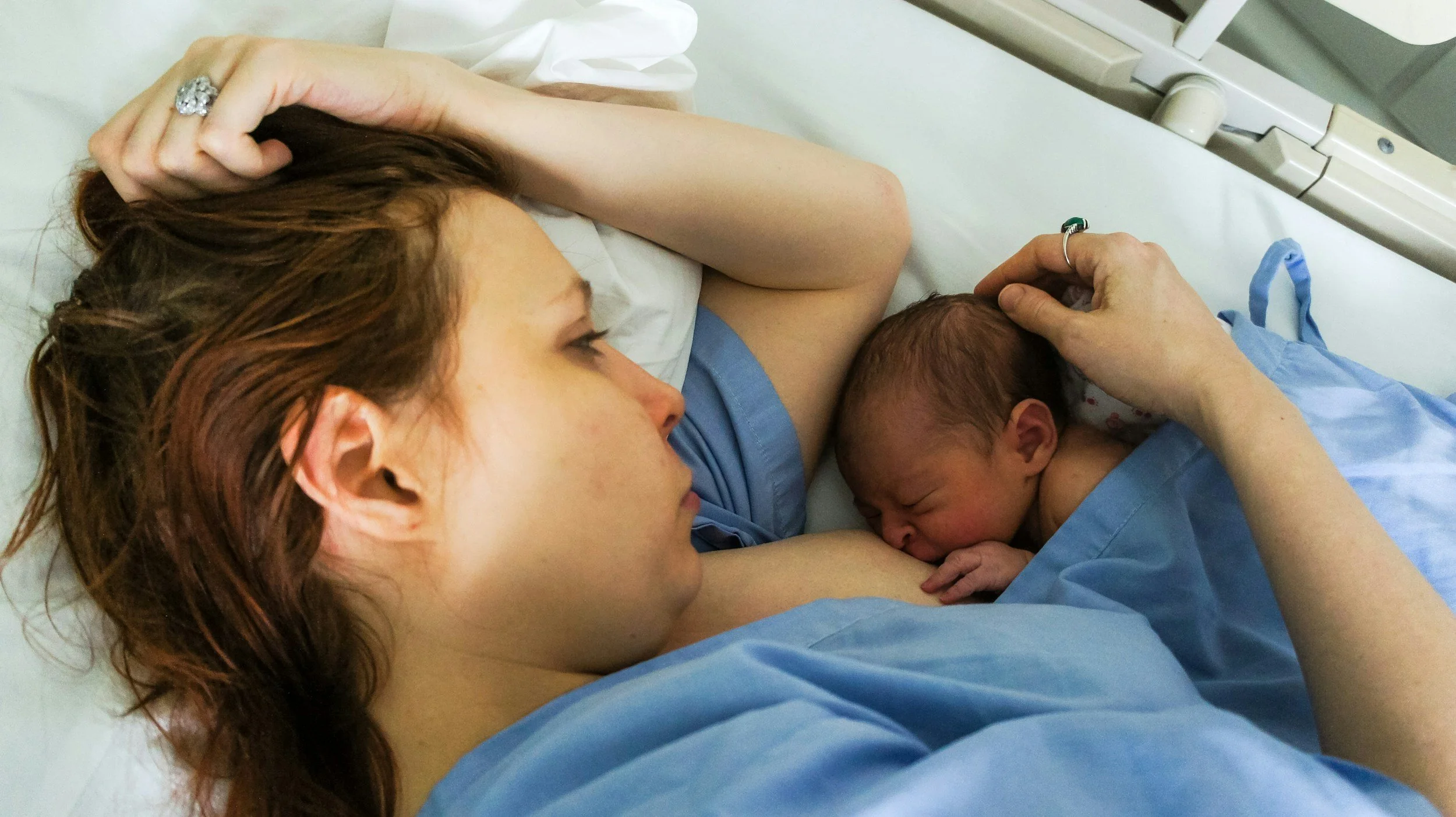
You love your baby. You’re grateful to be a mom. You might even feel like you’re doing a pretty good job.
So why can’t you stop worrying?
Why does your mind keep running through everything that could go wrong? Why do you feel like you need to check on your baby one more time, Google one more symptom, or make sure everything is perfectly in place before you can relax?
And when you finally get the chance to rest, why does your brain refuse to cooperate?
If you’re a high-achieving mom struggling with postpartum anxiety, you may be asking yourself, “Why can’t I stop worrying about my baby or feel rested?”
You’re not alone. And it doesn’t mean you’re doing motherhood wrong.
Why can’t I stop worrying about my baby after giving birth?
Postpartum anxiety can make it feel like your brain is stuck in overdrive.
You might find yourself worrying about your baby’s health, sleep, feeding, development, or safety. You may constantly scan for signs that something is wrong, even when everything seems fine.
Sometimes the worry is obvious. Other times, it shows up as:
Checking on your baby repeatedly, even when you know they’re safe.
Feeling anxious when someone else holds or cares for your baby.
Replaying conversations with your pediatrician.
Searching the internet for reassurance.
Imagining worst-case scenarios when you should be sleeping.
Feeling like you can never fully relax.
The difficult part? You may know logically that your baby is okay, but your body and mind don’t seem to believe it.
Postpartum anxiety isn’t simply being a concerned mom. It’s when worry starts taking up so much space that it becomes difficult to rest, enjoy your baby, or feel present in your own life. And for high-achieving women, it can be especially frustrating. You’re used to being capable. You’re used to figuring things out, staying organized, and handling what needs to get done. But motherhood introduces a level of uncertainty you can’t completely control. There is no perfect schedule. No way to guarantee your baby will sleep. No checklist that makes you feel 100% certain you’re doing everything right.
That uncertainty can feel unbearable when your brain is used to solving problems.
Why does postpartum anxiety make it so hard to feel rested?
You might technically have time to sleep, but still feel like you can’t turn off. Maybe your partner offers to take the baby so you can nap. Maybe your baby is finally sleeping through the night. But instead of resting, you’re thinking:
Did I remember to wash the bottles?
Is the baby breathing okay?
What if something happens while I’m asleep?
I should probably check one more time.
This is one of the most exhausting parts of postpartum anxiety. Your body may be tired, but your mind is still on duty. For many high-achieving moms, rest can also bring up guilt. You may feel like you should be doing something productive.
Cleaning. Working. Answering emails. Preparing for tomorrow. Catching up on everything that didn’t get done today.
Even when you’re exhausted, slowing down can feel uncomfortable. But rest is not something you have to earn by finishing your entire to-do list. You are allowed to rest because it is necessary and you are a human-being.
How does postpartum anxiety affect high-achieving moms?
High-achieving mothers often carry a lot of responsibility before they even become parents.
You may be successful in your career, dependable in your relationships, and someone who others turn to when things need to get done.
Then motherhood comes along, and suddenly there are more decisions, more needs, and more things you can’t fully control. You may feel pressure to be an amazing mom, maintain your career, keep your home running, and still have enough energy left for your partner. That is a lot.
Sometimes postpartum anxiety looks like perfectionism in motherhood.
You may believe that if you can just get everything right, you’ll finally feel calm. If the baby sleeps well, you’ll relax. If you follow the schedule perfectly, you’ll feel better. If you research enough, you’ll know you’re doing the right thing.
But anxiety often moves the goalpost. There is always another thing to worry about.
Therapy can help you understand the beliefs underneath that pressure and begin creating a different relationship with uncertainty, rest, and motherhood.
What can I do when I can’t stop worrying about my baby?
You don’t have to wait until you feel completely calm to start making changes.
Here are a few ways to begin.
1. Notice when worry is taking over
Pay attention to what happens when the anxiety starts.
Are you checking, researching, asking for reassurance, or mentally replaying what happened?
These behaviors may temporarily make you feel better, but the relief often doesn’t last.
Start by noticing the pattern without criticizing yourself.
2. Separate a real problem from an anxious thought
There is a difference between responding to a genuine concern and trying to eliminate every possible uncertainty.
For example, contacting your pediatrician about a real health concern is different from repeatedly searching online because you’re afraid you might have missed something.
You can take good care of your baby without needing complete certainty about everything.
3. Let yourself rest without earning it
If your baby is safe and someone you trust is caring for them, try allowing yourself a few minutes to rest. You don’t have to use every free moment productively. Start small. Sit down. Take a shower. Drink your coffee while it’s still warm.
Rest is not a reward for being a perfect mom.
4. Talk to someone who understands
Postpartum anxiety can feel isolating, especially when everyone around you seems to be enjoying motherhood. You may worry that talking about your thoughts means you’re ungrateful or that something is wrong with you. It doesn’t. You deserve support that takes your experience seriously.
How can postpartum anxiety therapy help me feel rested and more present?
Postpartum anxiety therapy can help you understand why your mind feels so busy and what keeps the worry going.
Together, we can work on the thoughts, patterns, and expectations that make it difficult to relax.
Therapy may help you:
Feel less overwhelmed by worry.
Reduce the guilt that comes with taking time for yourself.
Build more confidence in your decisions as a mother.
Learn how to respond to anxious thoughts without letting them take over.
Feel more comfortable asking for help.
Reconnect with parts of yourself outside of motherhood.
Become more present with your baby, partner, and yourself.
You don’t have to become less ambitious or stop caring about doing things well.
The goal is to help you feel more in control of your life without anxiety running the show.
If you’re looking for postpartum anxiety therapy in Massachusetts, online therapy can give you a space to work through what you’re experiencing from the comfort of your own home.
When should I reach out for postpartum anxiety therapy in Amherst, MA?
You don’t need to be at a breaking point to seek support.
If worry is affecting your sleep, your relationships, your ability to enjoy your baby, or your confidence as a mother, it’s worth talking with a professional. You can love your baby deeply and still struggle with anxiety. You can be grateful for your life and still feel exhausted by it. And you can be a capable, high-achieving woman who needs support.
If you’re experiencing frightening or unwanted thoughts about harm coming to your baby, please know that having an unwanted thought does not automatically mean you want it to happen. Intrusive thoughts are quite common and can occur with postpartum anxiety and related conditions, but they deserve compassionate, professional assessment.
You don’t have to figure this all out on your own.
Ready to feel more rested and less overwhelmed?
Motherhood is a huge transition, and you deserve support through it.
If you’re ready to start feeling rested, reach out here to schedule a free consultation.
You can also contact me to learn more about online therapy in Massachusetts with me and how we can work together.
You don’t have to stop being the capable woman you are. You deserve to feel like yourself again, too.

Ali Nataloni, LMHC, is a therapist who specializes in women’s and maternal mental health. With her virtual practice based in East Longmeadow, Ali provides therapy throughout the state of Massachusetts. Through the use evidenced based approaches of Cognitive Behavioral Therapy, Person-Centered Therapy and Acceptance and Commitment Therapy, Ali works with high-achieving mothers navigating the nuances of motherhood. Ali (LMHC#10797) has been practicing for over a decade following her degree from Springfield College. Reach out to Ali via the contact page to work with her.