

You love your children more than anything. You want them to feel loved, supported, understood, and safe in a way that maybe you didn't always feel growing up. But sometimes, the pressure to be a good mother feels overwhelming.
You replay conversations after bedtime. You question whether you handled a tantrum the right way. You feel guilty when you lose your patience, take time for yourself, or choose work over another afternoon with your kids. Even when everything seems fine, there's a little voice asking whether you're doing enough.
And if you have a difficult or estranged relationship with your own mother, these worries can feel even bigger.
You might find yourself wondering: What if my children grow up and feel about me the way I feel about my own mother? What if I make the same mistakes? What if I do something that damages our relationship forever?
This is one way high-functioning anxiety in motherhood can show up. You're not necessarily struggling to keep up with everyday responsibilities. In fact, you're probably doing a lot of things really well. But underneath the productivity, planning, and constant effort is a fear of getting something wrong.
How Does High-Functioning Anxiety Show Up in Motherhood?
High-functioning anxiety doesn't always look like someone who is visibly struggling. It can look like the mom who remembers every appointment, anticipates everyone's needs, manages the household, excels at work, and somehow keeps everything moving.
From the outside, you may look like you have it all together. Internally, you might feel like you're constantly trying to prevent something from going wrong.
In motherhood, this can look like:
Replaying interactions with your children and questioning whether you handled something correctly.
Feeling excessive guilt after losing your patience or raising your voice.
Constantly researching parenting strategies because you want to make the right decisions.
Struggling to relax because there's always something you could be doing for your family.
Feeling responsible for your children's emotions and trying to prevent them from experiencing disappointment.
Putting your own needs, interests, and identity aside because being a good mom feels like your most important responsibility.
Sometimes, high-functioning anxiety is driven by a belief that if you work hard enough, anticipate enough, and do everything right, you can prevent the things you're afraid of from happening.
But motherhood doesn't work that way. You cannot control every experience your children will have, and you cannot guarantee that you'll never make a mistake.
Why Can Maternal Estrangement Make You More Anxious About Parenting?
Becoming a mother can change the way you understand your own childhood. Experiences you may have minimized, accepted, or never fully understood can suddenly feel different when you're raising children of your own.
Maybe you recognize things about your relationship with your mother that you don't want to repeat. Maybe you have established boundaries or become estranged because the relationship was unhealthy or painful. Or perhaps you're grieving the relationship you wish you had, especially as you watch your children experience milestones you once imagined sharing with your own mother.
There can be a lot of complicated emotions involved: grief, anger, sadness, relief, and even guilt.
But sometimes, another feeling shows up that you weren't expecting: fear.
You might find yourself thinking:
What if my children don't feel comfortable coming to me?
What if I work too much and they feel like they're not important?
What if I don't give them enough attention?
What if I become emotionally unavailable without realizing it?
What if one day they decide they don't want a relationship with me?
For mothers who have experienced maternal estrangement, the possibility of repeating that experience can feel especially frightening.
You don't just want to be a good mother. You want to make sure your children never experience the hurt you experienced.
And that is a lot of pressure to carry.
Are You Parenting From Your Values or From Fear?
Wanting to break generational cycles is a meaningful and important goal. You may be intentional about communicating differently, validating your children's feelings, setting boundaries, and creating a home where emotions are welcomed.
But there is a difference between parenting intentionally and parenting from fear.
When anxiety takes over, you may start measuring your motherhood by everything you don't want to do. You become so focused on avoiding the mistakes your mother made that you lose sight of what you actually want your relationship with your children to look like.
You might overcompensate by saying yes when you need to say no, avoiding necessary boundaries because you don't want your children to feel disappointed, or feeling like you need to make up for every moment you weren't fully present.
You may even struggle to pursue the things that make you feel like yourself, such as your career, friendships, hobbies, or time alone, because you worry that prioritizing yourself means taking something away from your children.
This is where anxiety, people pleasing, and overfunctioning can become intertwined.
You can learn more about how these patterns show up in relationships in my article about therapy for boundaries and people pleasing.
The goal isn't to stop caring about how your children experience you. It's to stop allowing the fear of getting it wrong to dictate every parenting decision.
How Can You Break Generational Cycles Without Being a Perfect Mother?
Here's something important to remember: breaking generational cycles doesn't mean your children will never feel disappointed, frustrated, misunderstood, or hurt by something you do.
It means creating a relationship where those experiences can be acknowledged and repaired.
Your children don't need a mother who never loses her patience. They need a mother who can recognize when something went wrong, take accountability, apologize when appropriate, and reconnect.
A few things that can help:
1. Recognize when your childhood is influencing your parenting.
When you feel an intense reaction to something happening with your child, pause and ask yourself whether you're responding to what's happening right now or to something that feels familiar from your own childhood.
2. Allow yourself to make mistakes.
One difficult afternoon or an impatient response doesn't define your entire relationship with your child. You can acknowledge what happened without turning it into evidence that you're failing as a mother.
3. Practice repair instead of perfection.
You can say, "I was frustrated earlier, and I shouldn't have spoken to you that way. I'm sorry." These moments teach children that relationships can withstand difficult emotions and that people can take responsibility for their actions.
4. Make room for your own identity.
Your career, friendships, interests, and personal goals matter, too. You don't have to give up the parts of yourself that existed before motherhood to be a loving, present mother.
5. Give yourself permission to grieve.
You can be happy with the boundaries you've established with your own mother and still feel sad about the relationship you wish you had. Both things can be true. You don't have to resolve every feeling to move forward.
How Can Therapy Help With High-Functioning Anxiety and Motherhood?
If you find yourself constantly questioning your parenting, feeling responsible for everyone's emotions, or struggling to quiet the fear of repeating your own childhood experiences, therapy can help.
You deserve a space where you don't have to hold everything together or be the person who has all the answers.
In therapy, you can work through complicated feelings about your relationship with your own mother, recognize anxiety-driven patterns, challenge perfectionistic expectations, and build confidence in your own parenting.
You can also learn to set boundaries, make room for your needs, and feel more secure in your relationships without constantly questioning whether you're doing enough.
Most importantly, you can begin to experience motherhood without feeling like every decision is an opportunity to get it wrong.
You don't have to spend your motherhood proving that you're different from your own mother. You get to build a relationship with your children that is rooted in connection, not fear.
Online Therapy for High-Functioning Anxiety in Massachusetts
If you're a mother in Massachusetts struggling with high-functioning anxiety, difficult family dynamics, or the fear of repeating patterns from your childhood, you don't have to navigate it alone.
I offer online therapy throughout Massachusetts, helping high-achieving mothers manage anxiety, build confidence, establish healthier boundaries, and feel more connected to themselves and their families.
If you are struggling with difficult family dynamics after having a baby, therapy can help you navigate them so you can feel more confident and secure that you are the best mom for your children.
Schedule your free 20-minute consultation to see if working together feels like the right fit.
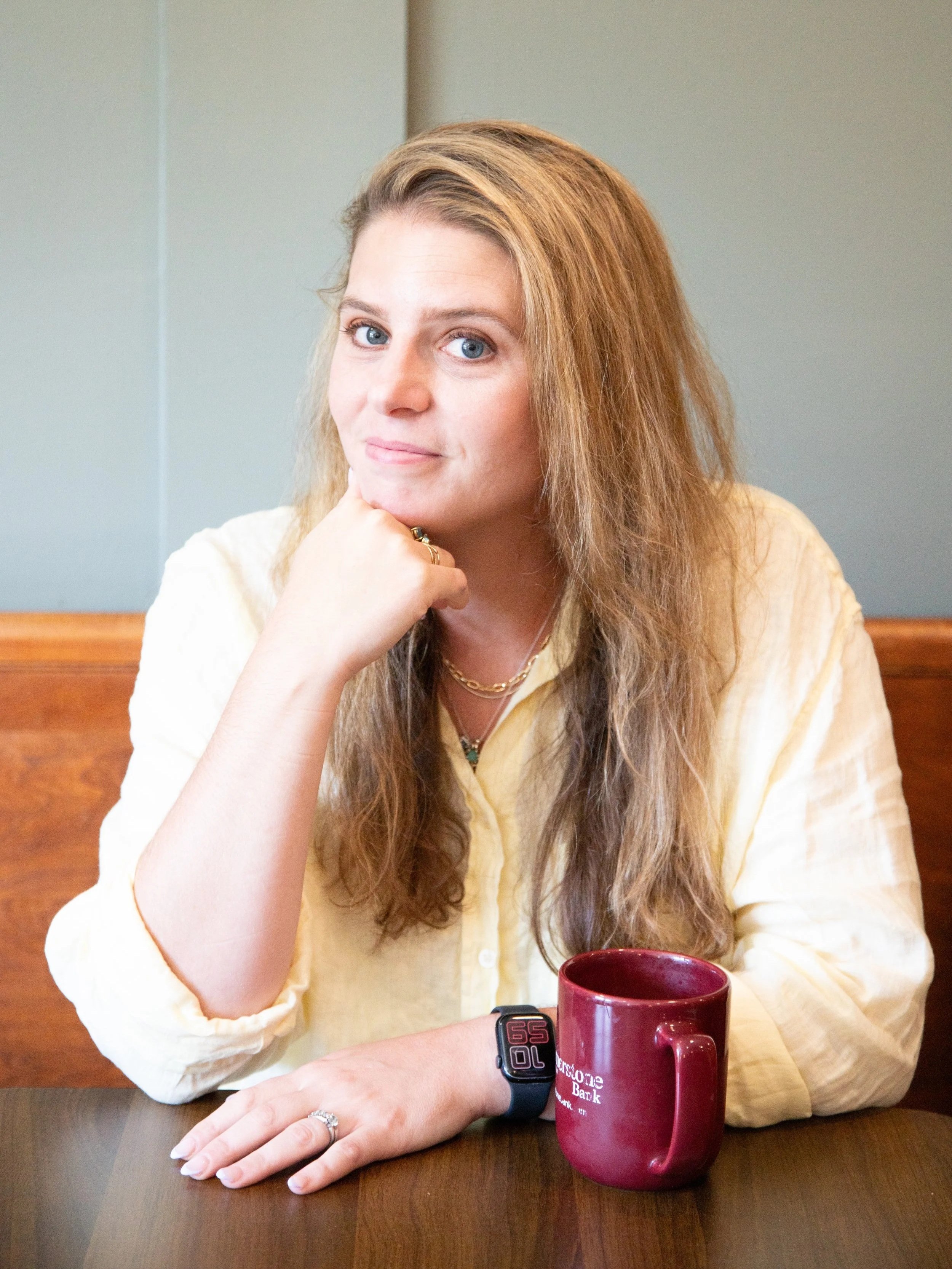
Ali Nataloni, LMHC, is a therapist who specializes in women’s and maternal mental health. With her virtual practice based in East Longmeadow, Ali provides therapy throughout the state of Massachusetts. Through the use evidenced based approaches of Cognitive Behavioral Therapy, Person-Centered Therapy and Acceptance and Commitment Therapy, Ali works with high-achieving mothers navigating the nuances of motherhood. Ali (LMHC#10797) has been practicing for over a decade following her degree from Springfield College. Reach out to Ali via the contact page to work with her.